Sustainable Logging Practices in Romanian State Forests
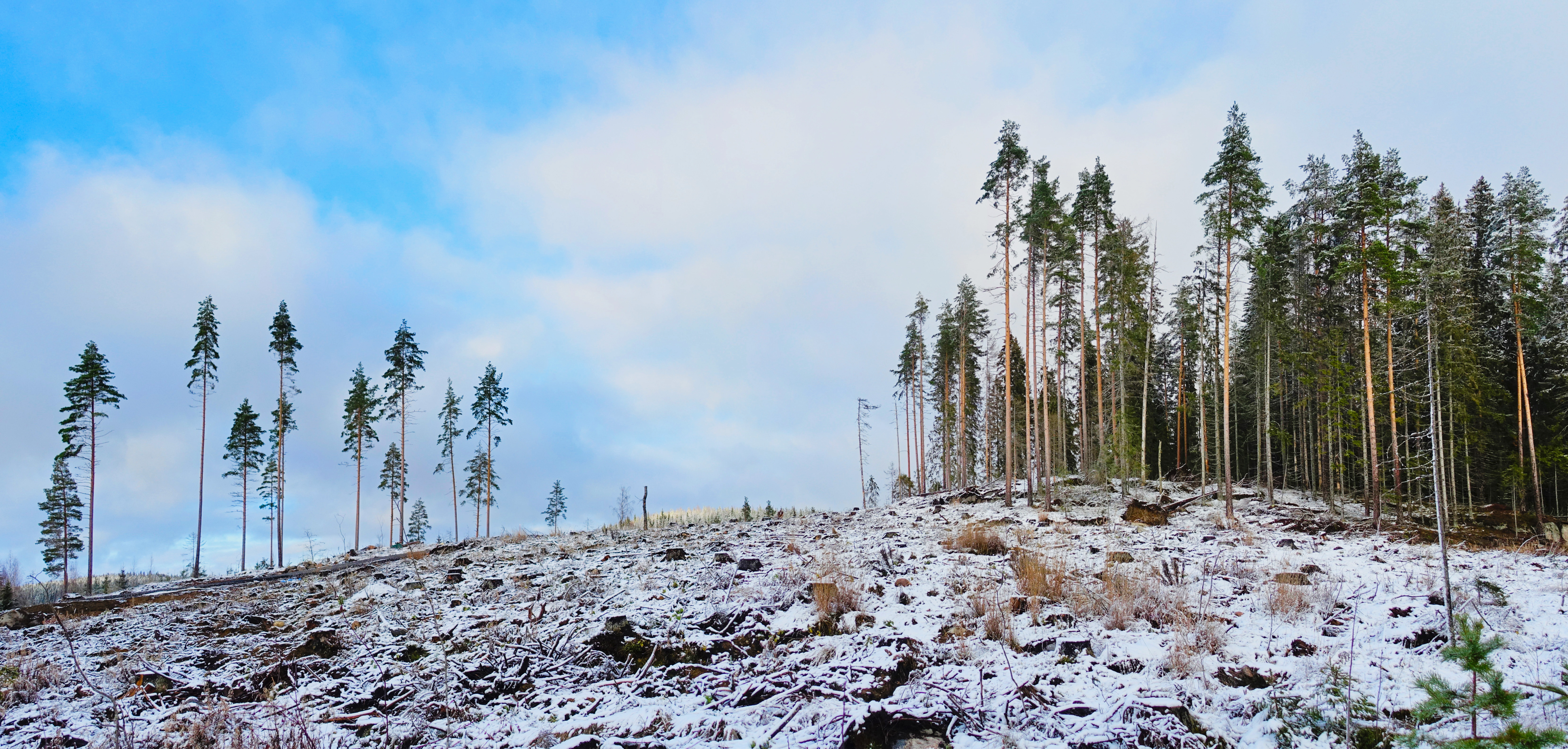
Romania's forests cover roughly 6.9 million hectares, or about 29 percent of the country's total land area. Of that, approximately 3.7 million hectares are administered by Romsilva — the National Forest Administration — while the rest is held by private owners, communes, and churches following restitution processes that began after 1990. The rules governing what can be cut, when, and by whom apply to both sectors, though compliance and enforcement track records differ.
The legal framework for harvesting
The core instrument is Forest Law no. 46/2008, as amended, which sets out a hierarchy of planning documents: every forest management unit must have a ten-year amenagement plan prepared by a licensed silviculturist and approved by the Ministry of Environment. The plan specifies the annual allowable cut (posibilitatea de recoltare) for each stand, calculated on the basis of growth projections, age structure, and conservation objectives.
Harvesting above the planned volume is illegal. Transport of timber requires a SUMAL e-transport document — an online traceability system introduced in 2016 and expanded in 2020 — that links each load to a specific stand, logging company, and authorised volume. Inspectors from the Forest Guard (Garda Forestieră) can cross-check these records against GPS-tagged field data.
Selective cutting vs. clear-cutting
Romanian silvicultural norms favour selective and graduated cutting (tăieri de transformare, tăieri succesive) over clear-cutting in mature stands. Clear-cutting (tăieri rase) is permitted only in specific situations: stands composed of a single even-aged cohort, stands heavily damaged by wind, pest, or disease, or stands designated for species conversion. Even then, the maximum clear-cut patch size is capped at 5 hectares for lowland forests and 3 hectares in mountain zones.
In practice, selective cutting is the dominant method in the Carpathian beech-fir zone, which holds the country's most commercially valuable timber. A stand is entered every 10–15 years, with only the oldest and largest stems removed in each cycle. This approach is more labour-intensive than clear-cutting but maintains canopy cover, reduces erosion risk, and allows natural regeneration to establish under the shade of residual trees.
Post-harvest obligations
After harvesting, the logging operator is required by law to remove residual slash (vreascuri) from the site within 60 days, restore any skidding tracks or temporary roads, and — where natural regeneration does not establish within three growing seasons — replant at the operator's own cost. These obligations are bonded: companies post a financial guarantee before harvesting begins, which is released only after a forest inspector confirms site restoration.
The guarantee system, introduced through Government Emergency Ordinance 34/2013, was intended to eliminate the "cut and abandon" pattern common in the 2000s. According to data from the Ministry of Environment, Waters and Forests (MMAP), the share of harvested area where restoration obligations were met within the required window reached 84 percent in 2024, up from 61 percent in 2018.
Romsilva's operational model
Romsilva manages its forest holdings through 42 regional directorates and 320-odd district offices (ocoale silvice). Each district office oversees harvesting contracts with private logging companies; Romsilva itself no longer operates logging equipment directly in most regions. Contracts are awarded by tender, with a scoring matrix that weighs price against the contractor's compliance history and equipment age.
Annual harvesting volumes for Romsilva-administered forests averaged around 12 million cubic metres between 2018 and 2023, against an officially calculated annual growth increment of approximately 38 million cubic metres for the entire national forest fund. The gap between growth and harvest appears large, but it reflects the fact that significant portions of the forest fund are protected, inaccessible, or below commercial threshold.
FSC and PEFC certification
A growing share of Romanian state timber is harvested under third-party chain-of-custody certification. As of early 2026, Romsilva held Forest Stewardship Council (FSC) group certification covering approximately 2.1 million hectares — one of the largest FSC-certified forest estates in Europe. PEFC certification applies to a further 200,000 hectares managed by certified private forest associations.
Certification requires annual audits, which involve field checks of harvesting sites, review of SUMAL transport records, and interviews with Garda Forestieră officials. Non-conformities identified during audits must be corrected within defined timelines or the certificate is suspended.
Illegal logging — scale and response
Unofficial estimates from conservation organisations — notably a 2023 joint report by WWF Romania and the Environmental Investigation Agency — put unrecorded timber extraction at 3–5 million cubic metres per year. The range is wide because by definition clandestine harvesting leaves no official paper trail; the figure is inferred from satellite forest-loss data calibrated against official harvest records.
The government response has layered additional controls onto the existing system: mandatory dashboard cameras on all timber transport vehicles (since 2022), helicopter surveillance contracts with the Romanian Police, and cross-database checks between SUMAL records and ANAF (tax authority) filings to flag companies that report implausible staff-to-volume ratios. Early results from the camera mandate show a 17 percent reduction in uninvoiced loads detected at fixed checkpoints, though critics note that cameras are easily disabled.
Community forest guards
Several county councils in Suceava, Harghita, and Maramureș have piloted community ranger programs, co-funded by local budgets and EU LIFE grants. Rangers are drawn from villages adjacent to the forest and receive basic training in GPS mapping, evidence collection, and first-response reporting. The programs have detected 340 unauthorised felling events between 2021 and 2025, leading to 112 formal prosecutions.
References and further reading
- Ministry of Environment, Waters and Forests (MMAP) — annual forest sector reports
- Romsilva — National Forest Administration
- Forest Stewardship Council (FSC) — Romania certificate database
- WWF Romania — forest governance programme publications
- Forest Law no. 46/2008 (Legea nr. 46/2008 — Codul silvic), as amended through 2023

