Romania's forest land — how it is managed, harvested, and restored

Foxbyfield tracks the practices and figures behind Romania's 6.9 million hectares of forest — from felling quotas in the Carpathian uplands to replanting campaigns in degraded lowland areas.

Recent articles

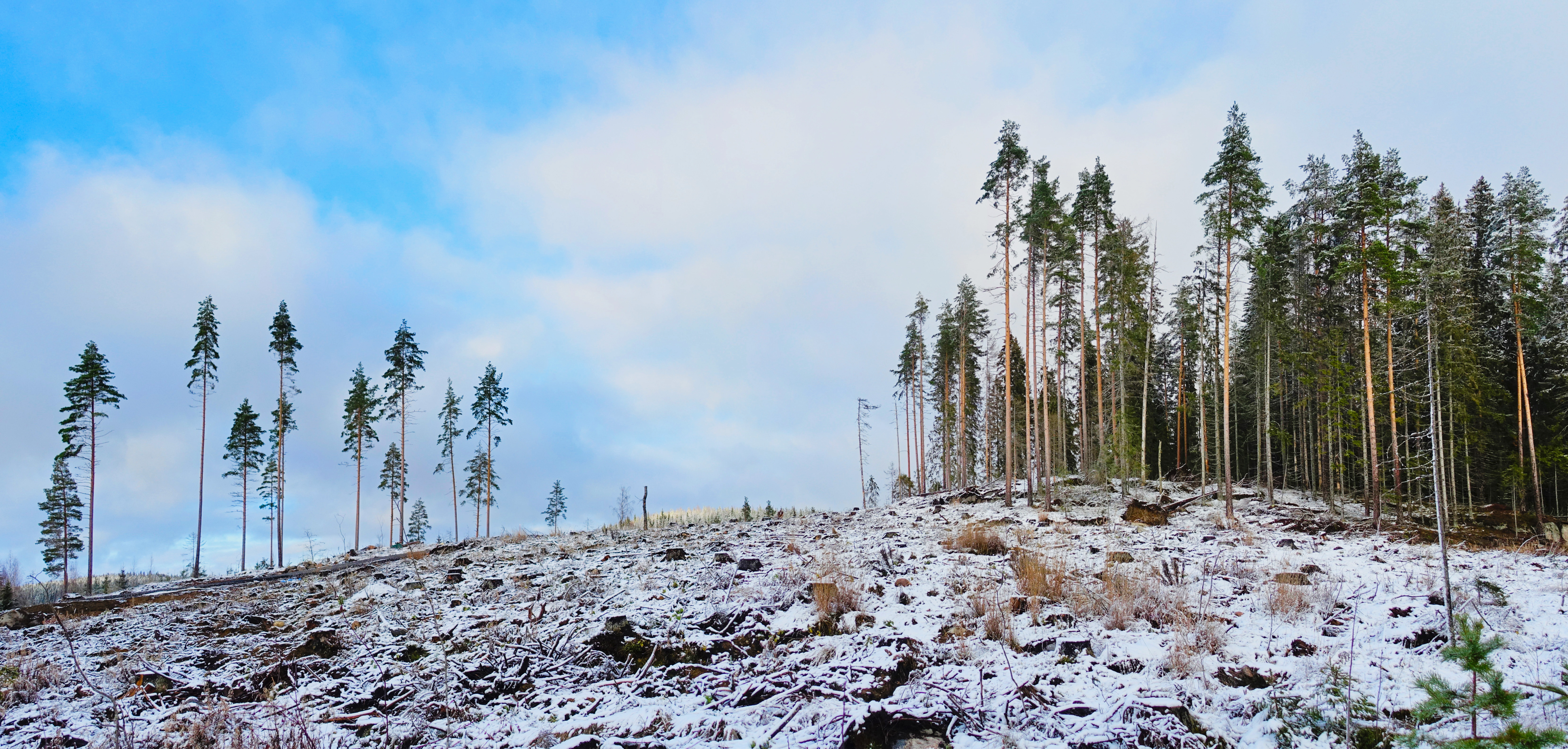
Romania loses an estimated 3–5 million cubic metres of timber to illegal felling each year

Despite satellite monitoring programs and tightened transport permit rules, enforcement gaps persist in remote Carpathian districts. The figures come from a joint report by WWF Romania and the Environmental Investigation Agency published in 2023.

Context and detail

Key figures across forest zones

Beech forest canopy in autumn

Beech — 31% of Romania's forest area

Fagus sylvatica dominates the montane belt between 600 and 1,200 m. Beech timber accounts for a large share of annual certified export volumes.

Spruce and fir forest at higher elevation

Conifers — 25% of forest cover

Norway spruce and silver fir fill the subalpine zone above beech. Their straight-grained timber is favoured by the construction and furniture industries.

Stream running through a forested valley

Riparian corridors and water protection strips

Romanian forestry law mandates buffer zones along rivers and streams where harvesting is prohibited. Their actual width and enforcement vary by district.

Rewilding vs. managed forestry — an ongoing tension

Conservation groups advocate for expanded no-take zones in old-growth areas; the timber industry argues that managed forests sequester carbon more efficiently over the long term than untouched stands. The debate runs through every major policy document on Romania's forest governance.

Forest fund governance

Send us a tip or question about Romanian forestry

Researchers, field foresters, and local community members regularly contribute data points, corrections, and additional context. Use the form below to get in touch.

Forestry data updated weekly from Romsilva and MMAP sources

About this resource