Reforestation Efforts in the Carpathian Region

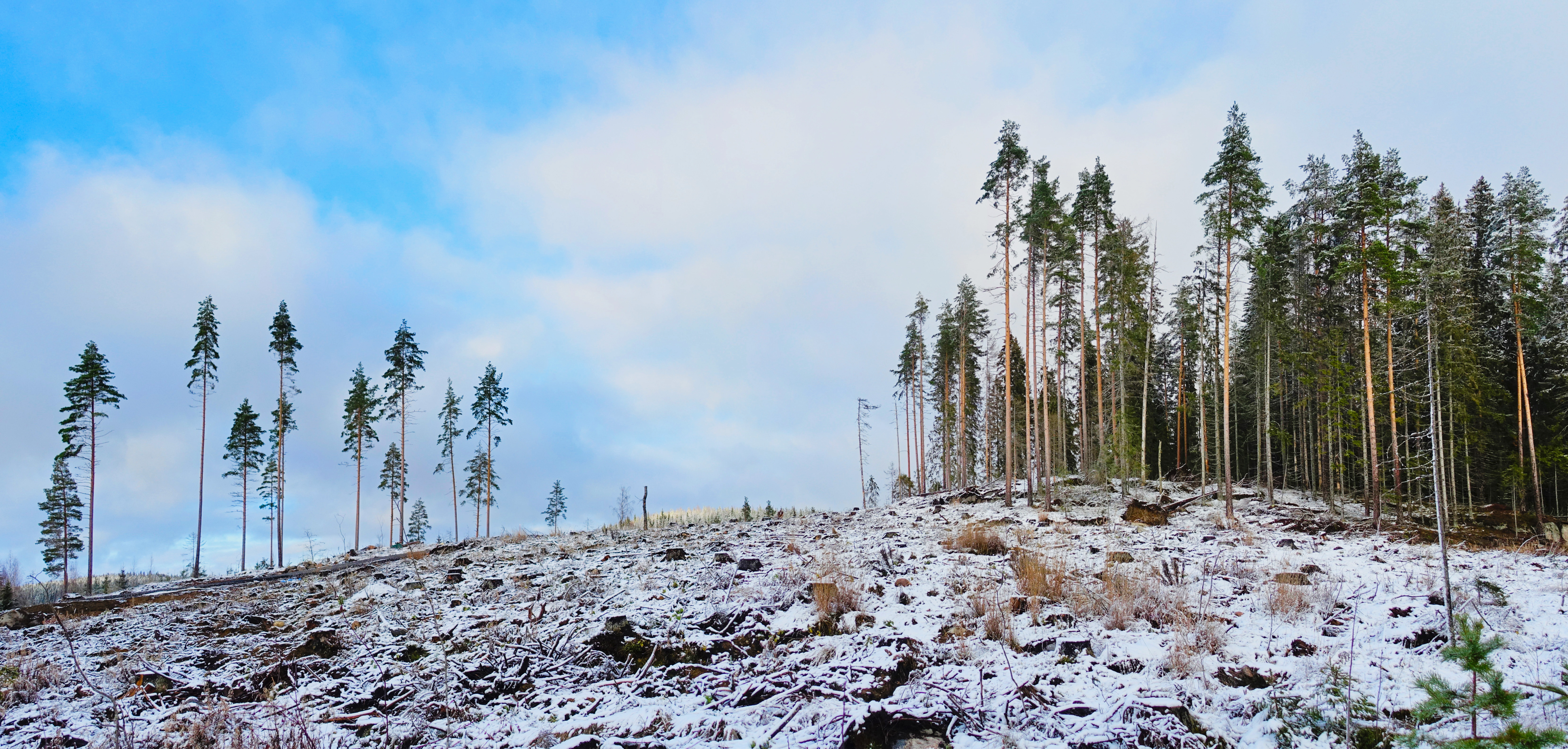
Between 2000 and 2020, Romania lost an estimated 480,000 hectares of tree cover — a figure that places it among the countries with the highest forest-loss rates in the European Union over that period, according to data processed by Global Forest Watch. A significant portion of that loss occurred in the Carpathian arc, where deforestation pressure from both authorised harvesting and illegal felling converged with steep terrain that makes enforcement difficult.
Romania's national response, formalised in the National Afforestation Programme (Programul Național de Împădurire), sets a target of restoring a minimum of 300,000 hectares by 2030. As of the most recent Ministry of Environment (MMAP) progress report — dated March 2026 — confirmed plantings had reached approximately 87,000 hectares, with another 43,000 in active nursery preparation.
Species selection — what gets planted and why
The dominant species in Carpathian reforestation campaigns depends heavily on altitude and slope aspect:
- Norway spruce (Picea abies) — historically planted across wide elevational ranges because of its fast growth and merchantable timber. Since the bark-beetle outbreaks of 2017–2022, foresters and ecologists have moved to reduce spruce monoculture planting at lower elevations where drought stress increases susceptibility to Ips typographus.
- Silver fir (Abies alba) — tolerates shade and mixed-stand conditions well; increasingly favoured as a climate-resilient companion species in the 700–1,100 m zone.
- European beech (Fagus sylvatica) — the dominant native species in the montane belt. Slow to establish from transplant but produces stable mixed stands over a 60–80 year horizon. Beech seedlings require 3–4 years in nursery conditions before field planting.
- Pedunculate oak (Quercus robur) and sessile oak (Q. petraea) — used in lowland and sub-montane reforestation where beech canopy is absent. Both species support high biodiversity and are long-lived but slow-growing.
- Black alder (Alnus glutinosa) — planted on riparian and waterlogged sites where other species establish poorly. Fixes atmospheric nitrogen, enriching soil for subsequent cohorts.
A shift toward mixed-species plantings — three or more species per hectare — has been promoted by the Romanian Society of Foresters and several EU-funded projects under the LIFE programme. Mixed stands distribute root competition across soil layers, reduce the risk of total stand failure from any single pathogen, and produce a more diverse structural profile that benefits secondary biodiversity.
Funding mechanisms
National Programme for Rural Development (PNDR)
The primary EU co-funding channel for afforestation on agricultural and degraded land has been PNDR sub-measure 8.1 (Afforestation and creation of woodlands). Eligible applicants include private landowners, communes, and county councils. The subsidy covers up to 100 percent of planting costs plus a maintenance allowance for five years. In the 2014–2022 programming period, PNDR 8.1 allocated approximately 280 million euros for forestry restoration in Romania, of which roughly 60 percent was disbursed.
National Recovery and Resilience Plan (PNRR)
Romania's PNRR — financed from the EU Recovery and Resilience Facility — includes a specific component (Component C2, milestone I5) committing to the afforestation of at least 56,700 hectares by 2026. Progress against this milestone is monitored by the European Commission and links directly to the release of tranches of PNRR funding. As of Q1 2026, Romania had reported planting approximately 34,000 of those hectares to Brussels, with a certification dispute over site area measurement methods delaying formal validation of a further 8,000.
Romsilva's own budget and "green bonds"
For areas within its administrative jurisdiction, Romsilva finances reforestation through its own budget surpluses — derived primarily from timber sale revenues — as well as from a reforestation fund (Fondul de ameliorare a fondului funciar cu vegetație forestieră) collected from entities that convert forest land to other uses. In 2024, Romsilva planted 14,200 hectares under this mechanism, a record figure compared to an annual average of 7,500 hectares in the previous decade.
Obstacles — nursery capacity and planting season
A bottleneck that repeatedly delays programme delivery is seedling availability. Romania has approximately 60 licensed forest nurseries with a combined annual production capacity of around 90 million seedlings. To meet the PNRR and national targets simultaneously, foresters estimate that production must reach 150–180 million seedlings per year by 2027. The gap is partly filled by imports from Poland, Germany, and Austria, but imported planting material must undergo phytosanitary clearance and provenance verification, which adds cost and lead time.
Planting windows in the Carpathians are narrow: the main season runs from mid-March to late May, and a shorter autumn window opens in October–November. Late snow, waterlogged soil, or drought in the weeks immediately after planting can push first-year mortality above 40 percent in exposed sites, requiring replanting at additional cost. Some afforestation contracts have been rescinded by APIA (the agriculture and rural development payment agency) after failure to achieve minimum survival thresholds during the first three years.
Long-term monitoring
Romania participates in the ICP Forests (International Co-operative Programme on Assessment and Monitoring of Air Pollution Effects on Forests) network, maintaining 71 Level I and 12 Level II monitoring plots. These plots provide decadal baseline data on tree growth, crown condition, soil chemistry, and biodiversity indicators. Data from the ICP Forests Romania network show that spruce-dominated plots at lower elevations recorded a statistically significant decline in crown density between 2015 and 2023 — a trend attributed to a combination of bark-beetle damage and drought stress, both of which are expected to intensify under current climate projections.
Afforestation sites added since 2020 are tracked through Romania's Forest Information System (RIS), which links GPS-referenced planting records to SUMAL and cadastral databases. This linkage allows MMAP to cross-check reported planting areas against satellite-derived vegetation indices, reducing the risk of inflated area claims that plagued earlier funding rounds.
References and further reading
- Ministry of Environment, Waters and Forests — PNRR forestry milestone reports
- Global Forest Watch — Romania country profile
- ICP Forests — Level I and Level II monitoring data
- National Afforestation Programme (Programul Național de Împădurire), Government Decision no. 1 / 2020
- PNDR 2014–2022 Sub-measure 8.1 implementation reports, AFIR